How to Invest in Bonds Directly for Fixed Income: A Complete Guide
How to Invest in Bonds Directly for Fixed Income: A Complete Guide
Most investing conversations start and end with stocks and mutual funds. But if you want steady, predictable income without daily price swings, learning how to invest in bonds directly is worth a look. Buy bonds yourself instead of through a debt mutual fund, and you skip the recurring management fee, keep the full coupon, and decide exactly when your money returns.
Quick answer, if you're in a hurry: Direct bonds suit investors who want predictable income, don't need daily liquidity, and will check credit ratings themselves. G-Secs carry the least risk; corporate bonds pay more but need real due diligence. Prefer to skip that? A debt mutual fund is a reasonable, managed alternative. |
Why Buy Bonds Directly Instead of a Debt Fund?
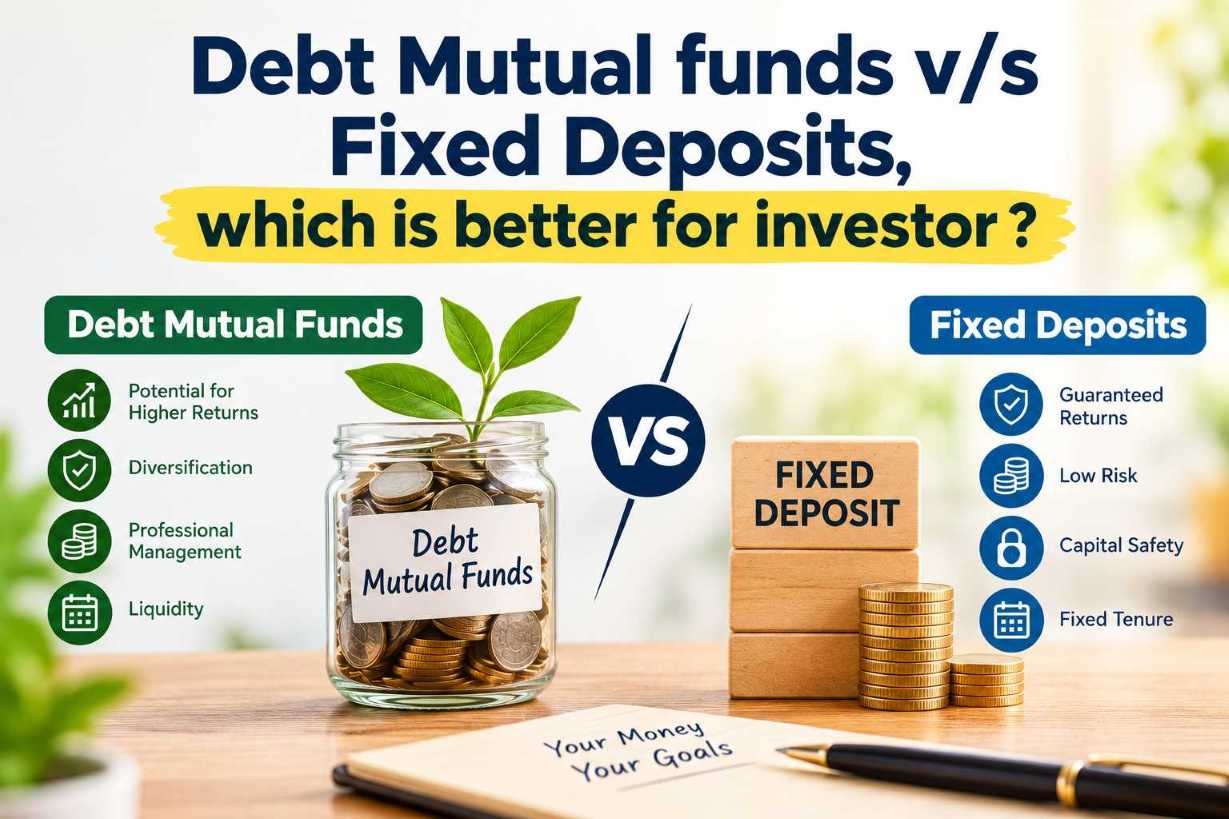
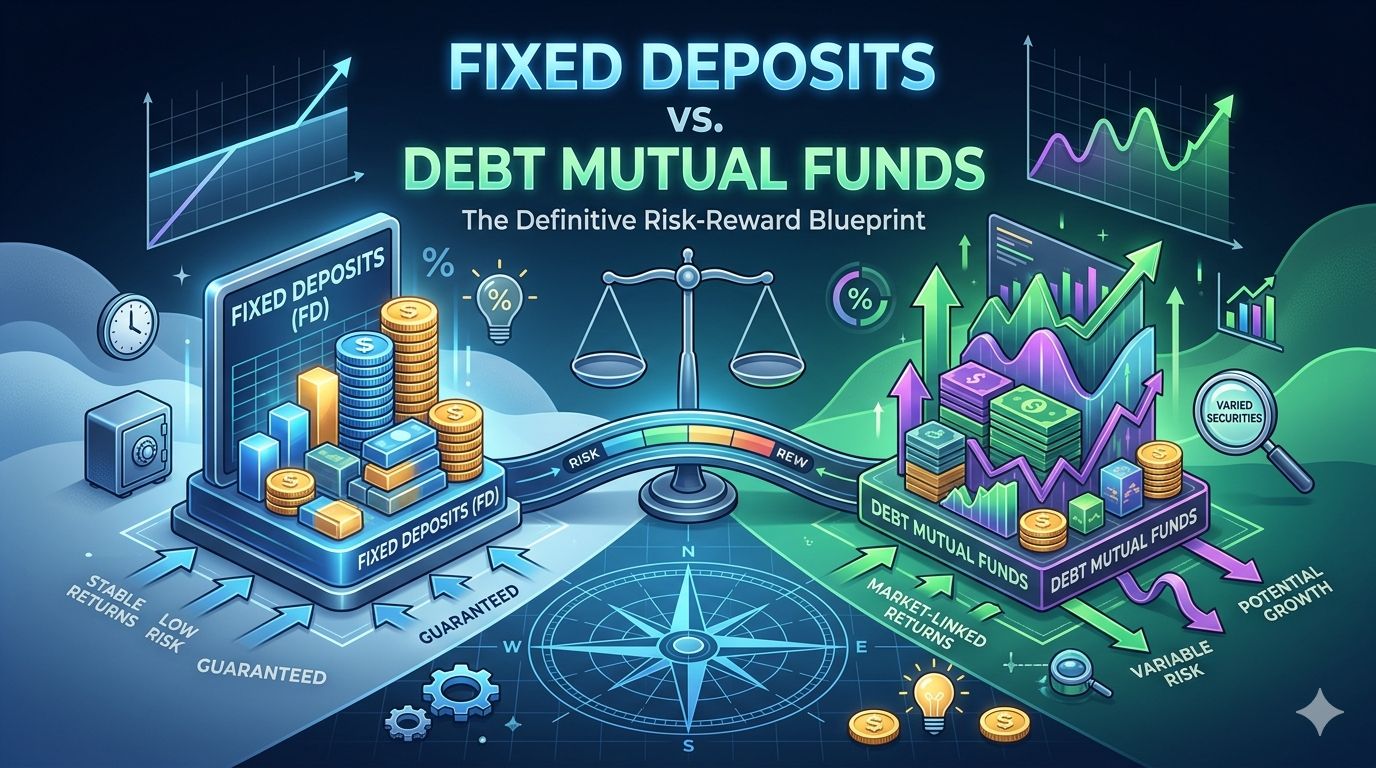
Debt mutual funds spread your money across many bonds, but charge a yearly expense ratio — typically 0.3% to 1% — that eats into returns. Buy bonds yourself, and you keep every rupee of the coupon:
Full income — no fee taken from your payouts.
You set the timeline — no relying on redemptions.
Predictable, contractual returns.
Trade-off: no fund manager screens the portfolio, so credit checks are on you.

A 1% expense ratio may look small, but on ₹10 lakh over 10 years it costs you close to ₹2 lakh.
What Matters | Direct Bonds | Debt Mutual Funds |
Recurring fees | None | 0.3%–1% expense ratio yearly |
Who picks the bonds | You do | A professional fund manager |
Diversification | Limited, unless you buy several | Spread across many issuers automatically |
Liquidity | Depends on secondary market demand | Usually redeemable within a few days |
Understand Credit Risk Before You Buy
The number one risk isn't price swings — it's the issuer failing to pay you back. Agencies like CRISIL and ICRA grade every bond from AAA down to D:
Rating | What It Means |
AAA | Highest safety — very low default risk |
AA | High safety — strong repayment capacity |
A / BBB | Adequate safety — acceptable, but check more closely |
BB and below | Higher risk — for informed, risk-tolerant investors only |
Primary vs Secondary Bond Market: Two Ways In
You can buy a bond two ways: the primary market, where you subscribe to a fresh issue directly (like an IPO) via your broker, bank, or the issuer's site using your Demat account, or the secondary market, buying bonds already trading on the exchange from other investors — easier to exit early, but pricing is trickier.
Coupon Rate vs Yield to Maturity: Don't Confuse the Two
Two numbers trip up new bond investors. The coupon rate is fixed — the annual interest as a percentage of face value (say, ₹1,000) — and never changes. Yield to Maturity (YTM) is your real, total return if held to maturity, and depends on what price you actually paid.
Buy at a premium (above face value): your real return is lower than the coupon rate.
Buy at a discount (below face value): your real return is higher than the coupon rate.

A 9% coupon bond only actually pays you 9% if you buy it at exactly face value. Pay more, earn less; pay less, earn more.
Types of Bonds You Can Choose From
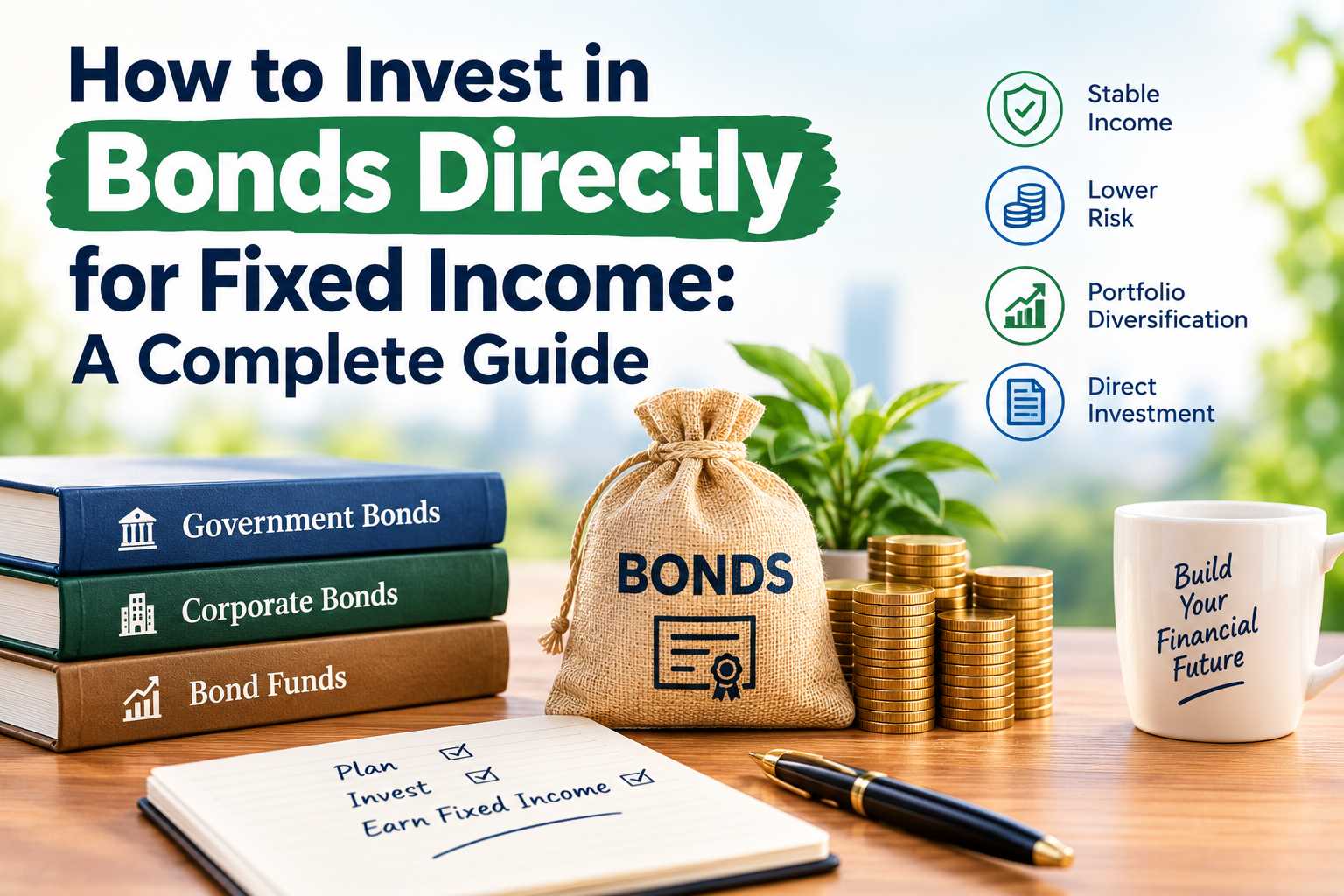
G-Secs carry virtually zero default risk. PSU Bonds, from government-backed companies like PFC or REC, come as taxable bonds, tax-free bonds, or Section 54EC capital gain bonds (now Section 85 under the Income-tax Act 2025) for property-sale gains. Corporate bonds vs government bonds is a risk-versus-yield trade-off — corporate bonds pay more, but even AAA-rated ones deserve scrutiny.
Bond Type | Risk Level | Good For |
Lowest | Capital safety over yield | |
PSU Bonds | Very low | Steady income, some tax-free options |
Low–moderate | Slightly higher yield, still fairly safe | |
Corporate Bonds (unsecured/lower-rated) | High | Yield-seeking, risk-tolerant investors |
How Bond Income Gets Taxed
Bond taxation has two parts, and the capital-gains rules changed from July 2024. Interest income is taxed yearly at your slab rate, with 10% TDS applied. Capital gains work differently for listed and unlisted bonds:
Bond Income Type | How It's Taxed |
Interest (coupon) income | Your income tax slab rate, every year |
Listed bonds, held over 12 months | Flat 12.5% LTCG, no indexation benefit |
Listed bonds, held 12 months or less | Your income tax slab rate (STCG) |
Unlisted bonds sold/redeemed after 23 Jul 2024 | Always your slab rate, regardless of holding period |
The older rule letting unlisted bonds qualify for long-term treatment after 36 months no longer applies.
Key Checks Before You Invest
Compare Yield to Maturity, not the coupon rate.
Check the credit rating and whether the bond is secured.
Read the Information Memorandum for "seniority" in repayment.
Plan to hold until maturity — early exits aren't always easy.
The Bottom Line
Direct bonds suit predictable-income seekers willing to check credit ratings and hold to maturity. Prefer a professional to handle diversification and credit selection for a small fee? A debt mutual fund remains reasonable.
Disclaimer This article is for general information only, not personalized financial or tax advice. Tax rules change. Consult a certified financial advisor before investing. |