Corporate Bonds vs Government Bonds: Complete Beginner's Investment Guide
Government bonds (G-Secs, T-Bills) carry virtually no default risk, suiting safety-first investors. Corporate bonds pay more — sometimes far more for lower-rated issuers — for taking on credit risk. Most balanced portfolios use both: government bonds as the anchor, quality corporate bonds for extra yield.

Corporate Bonds vs Government Bonds: Complete Beginner's Investment Guide
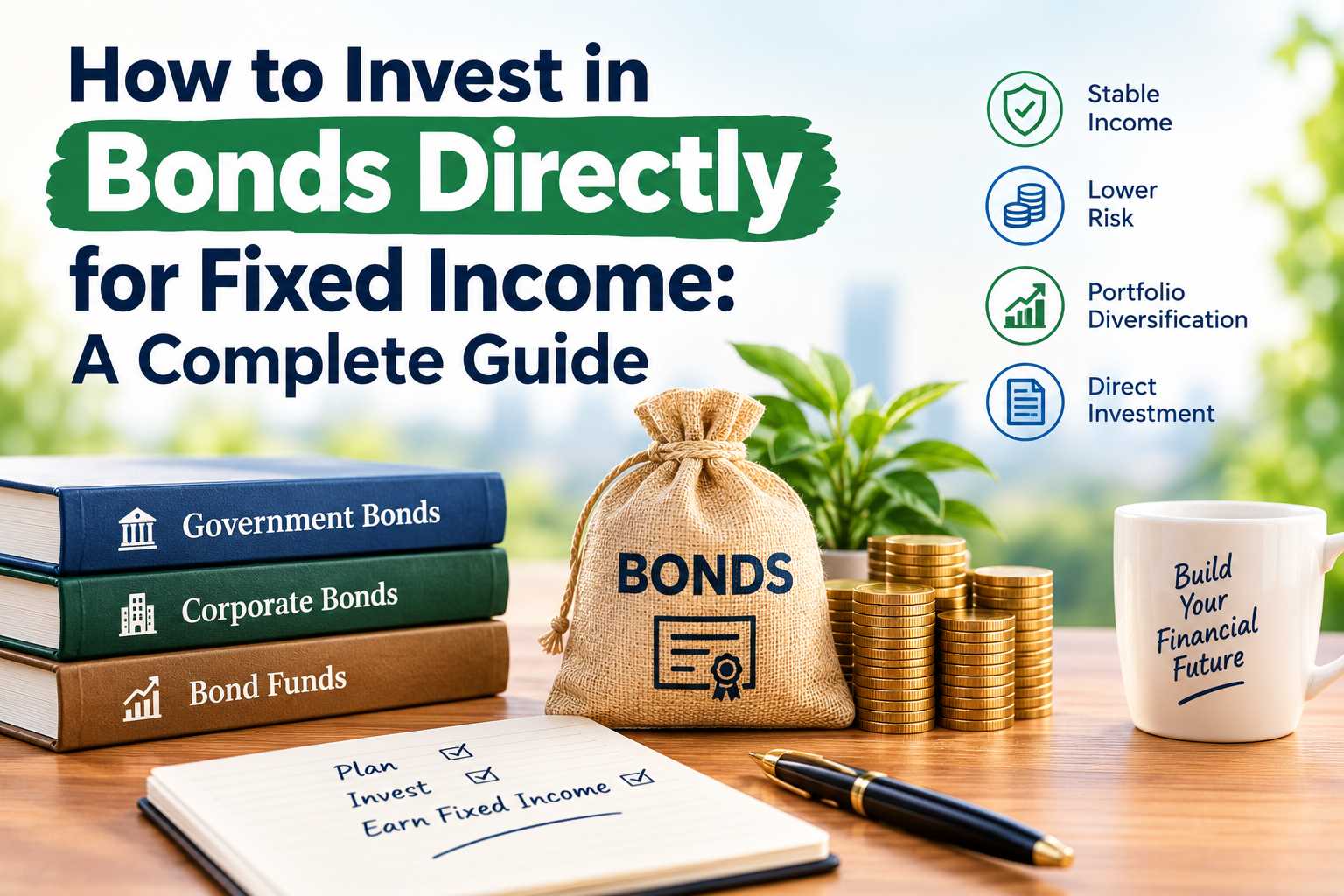
Bank FDs barely beat inflation these days, and equity mutual funds can swing hard enough to keep you up at night. Bonds sit in between — steady, contractual income without stock-market drama. This guide compares the two big bond categories, corporate and government, and helps you pick what fits your money.
Quick answer, if you're in a hurry: Government bonds (G-Secs, T-Bills) carry virtually no default risk, suiting safety-first investors. Corporate bonds pay more — sometimes far more for lower-rated issuers — for taking on credit risk. Most balanced portfolios use both: government bonds as the anchor, quality corporate bonds for extra yield. |
What Is a Bond, Really?
A bond is simply a loan. Buy one, and you become a lender to a company or government, in return for fixed interest payments (the coupon) and your money back at maturity. That's different from a stock or equity fund, where you own a slice of a company and returns rise and fall with its performance.

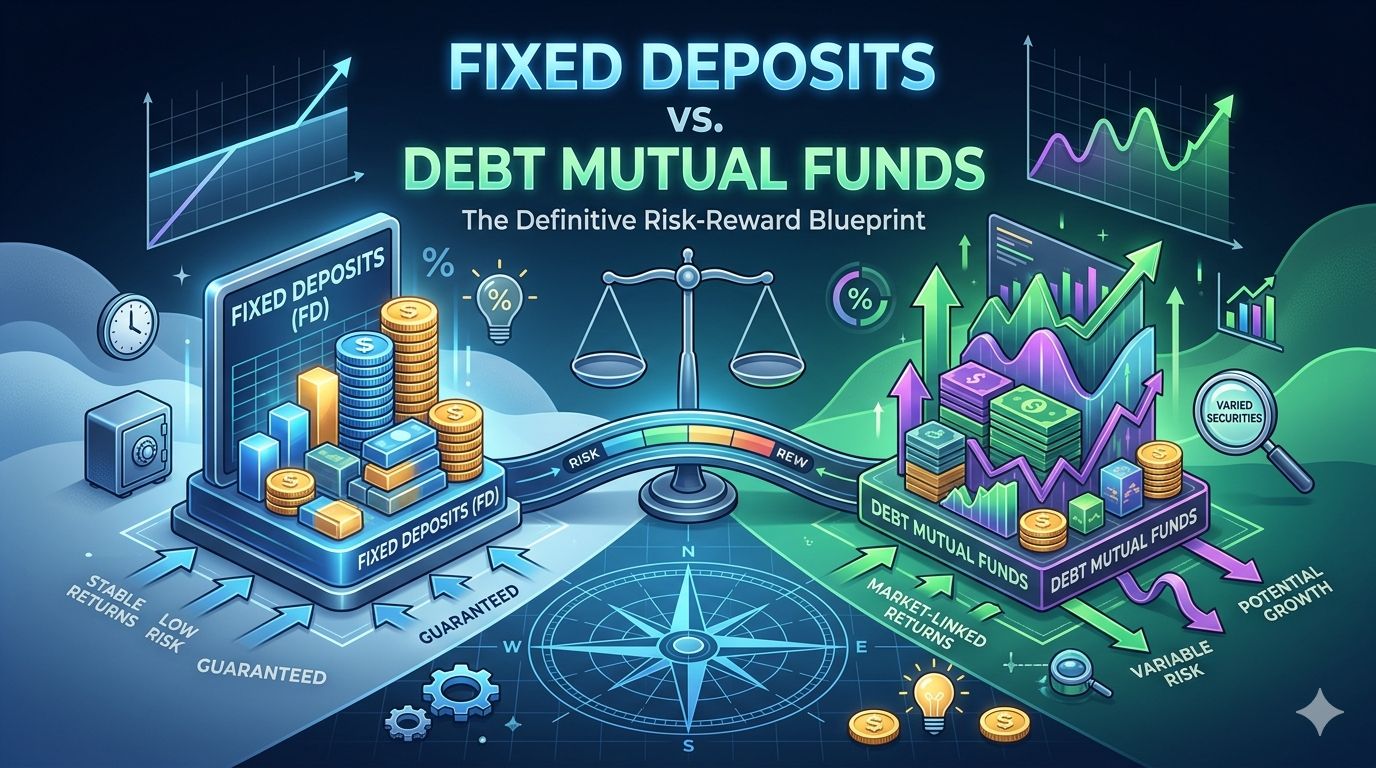
Yield generally rises with risk: government bonds sit at the safe end, lower-rated corporate bonds at the risky, higher-paying end.
Understanding Corporate Bonds
Corporate bonds are issued by companies — private or public sector — to fund expansion, operations, or infrastructure. Your yield depends heavily on the issuer's credit rating:
Highly rated issuers (AAA, blue-chip or government-backed companies): typically 7.5%–8.5%, thanks to low default risk.
Lower-rated issuers (NBFCs, smaller or growing businesses): can offer 11%–15%, compensating for meaningfully higher default risk.
Higher yield always means higher risk here — never chase the number without checking who's actually promising it.
Understanding Government Bonds
Government bonds are issued by the central or state government to fund public spending, in two main forms:
Instrument | Maturity | How It Pays |
Treasury Bills (T-Bills) | Under 1 year | Sold at a discount to face value |
Government Securities (G-Secs) | 1 to 40 years | Regular coupon payments |
Since the government backs these, default risk is close to zero, and G-Sec yields currently sit around 6.5%–7%.
Corporate Bonds vs Government Bonds: Side by Side
What Matters | Corporate Bonds | Government Bonds |
Default risk | Varies by issuer, can be real | Virtually none |
Typical yield | 7.5%–15%+ | ~6.5%–7% |
Who backs it | The issuing company | The government |
Best for | Extra yield, if you'll check credit quality | Capital safety, low effort |
Why Bond Prices Move: Interest Rate Risk
Whether corporate or government, one rule applies to both: bond prices and interest rates move in opposite directions. Sell before maturity and you're exposed. When rates rise, new bonds offer better coupons, so your older, lower-paying bond loses resale value. When rates fall, your higher-coupon bond becomes more valuable. The longer a bond's remaining maturity, the harder its price reacts.

A long-term bond's price swings much harder than a short-term one for the same rate change — this is called duration risk.
Direct Bonds vs Debt Mutual Funds
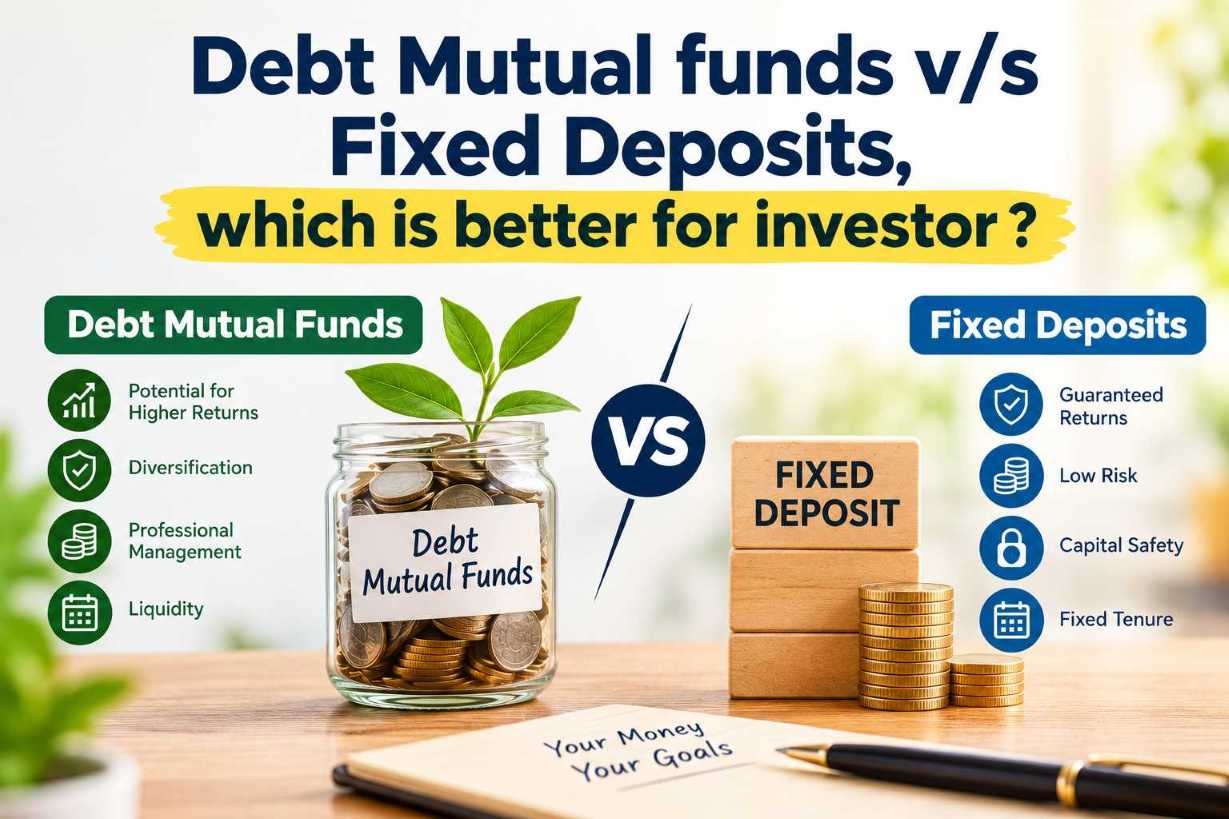
You can buy either bond type directly, or through a debt mutual fund. Direct bonds put all credit risk on one issuer but skip the yearly fund fee; debt funds spread that risk across many holdings for a small fee, plus easier liquidity.
What Matters | Direct Bonds | Debt Mutual Funds |
Credit risk | Concentrated in one issuer | Spread across many issuers |
Fees | None | Expense ratio, typically 0.3%–1% |
Liquidity | Depends on buyer demand | Usually redeemable within days |
How Bond Interest and Gains Are Taxed
The tax rules are the same whether the bond is corporate or government — only the risk differs, not the tax treatment:
Bond Income Type | How It's Taxed |
Interest (coupon) income | Your income tax slab rate, every year |
Listed bonds, held over 12 months | Flat 12.5% LTCG, no indexation |
Listed bonds, held 12 months or less | Your income tax slab rate (STCG) |
Unlisted bonds sold/redeemed after 23 Jul 2024 | Always your slab rate, any holding period |
Checklist Before You Buy
Check the credit rating for corporate bonds — AAA to junk.
Compare Yield to Maturity, not just the coupon rate.
Match the maturity to when you'll actually need the money.
Confirm the coupon frequency fits your cash flow needs.
Frequently Asked Questions
Are government bonds completely risk-free?
They carry virtually no default risk, but you can still lose money selling before maturity if interest rates have risen — that's interest rate risk, not credit risk.
Which pays more, corporate bonds or government bonds?
Corporate bonds almost always pay more, since you're taking on the issuer's credit risk. Government bonds trade that extra yield for near-total safety.
Are corporate bonds taxed differently from government bonds?
No — both follow the same rules based on listing status and holding period, not on who issued the bond.
The Bottom Line
There's no universally "better" choice, only a better fit for your goals. Prioritize safety? Lean toward government bonds. Comfortable evaluating credit risk for extra yield? Well-rated corporate bonds are worth a look. Many investors simply hold both — government bonds as the anchor, corporate bonds for a yield boost.
Disclaimer This article is for general information only, not personalized financial or tax advice. Tax rules change. Consult a certified financial advisor before investing. |